Terraform Air
Terraform Air is a low operating cost heating, ventilation, air conditioning and hot water system, powered by solar and artificial intelligence. It captures the heat from on-site graphics processors running on solar and mains power. Compute customers pay for that power, and Air uses the heat to warm your rooms, cool them in summer and heat your water.
How It Works
- 1Compute Makes the Heat. A 1.8 kilowatt compute node runs on its own solar panels, with mains power after dark. Water cools the processors and carries almost every watt away as heat, in a 50 °C loop.
- 2Heat Warms Your Home. The loop warms every room and preheats your water, so the tank lifts it just the last 10 degrees, from 50 °C to 60 °C. Add a spa, pool or greenhouse and the same loop heats them too.
- 3Heat Cools Your Home. In summer, a silica gel chiller turns the same heat into cold water that cools your rooms.
- 4Air Routes the Heat. The controller reads the temperature in every room and in the hot water tank, then sends the heat where it is needed: to the rooms when they are cold, to the chiller when they are hot, and to your water, spa or pool in between.
Every Watt Works Twice
A compute node turns nearly all of its power into heat, and every home needs heating or cooling most of the year. Air puts the two together on solar power: each watt runs the compute first, then warms or cools your building. Heat is almost half of the world's final energy use, and data centres are the fastest growing load on the grid.
Sources: International Energy Agency (Renewables 2022; Space cooling; Energy and AI, 2025); YourHome, Australian Government.
No Energy Bill, All Year
Compute customers pay for the power the node uses and Terraform pays for the rest, so your heating, cooling and hot water cost you nothing to run. Each saving is against the conventional heater, air conditioner and hot water service Air replaces.
Cooling
A$0 a year, A$130 saved
Heat from the compute node drives a silica gel chiller that makes cold water, and a fan coil in each room blows cool air through a high-efficiency particulate air filter.
Heating
A$0 a year, A$715 saved
The graphics cards sit in a locked, water-jacketed steel box in the outdoor unit, and their heat warms every room.
Hot water
A$0 a year, A$950 saved
The loop already runs at 50 °C, so your tank adds just the last 10 degrees.
Installation
All you need is a plumber
Air runs on tap water, and the water carries all of its heat, so a plumber installs it. The plumber connects Air to your water supply and runs a pipe to the fan coil in each room. Terraform fits and owns the solar.
Air Intelligence
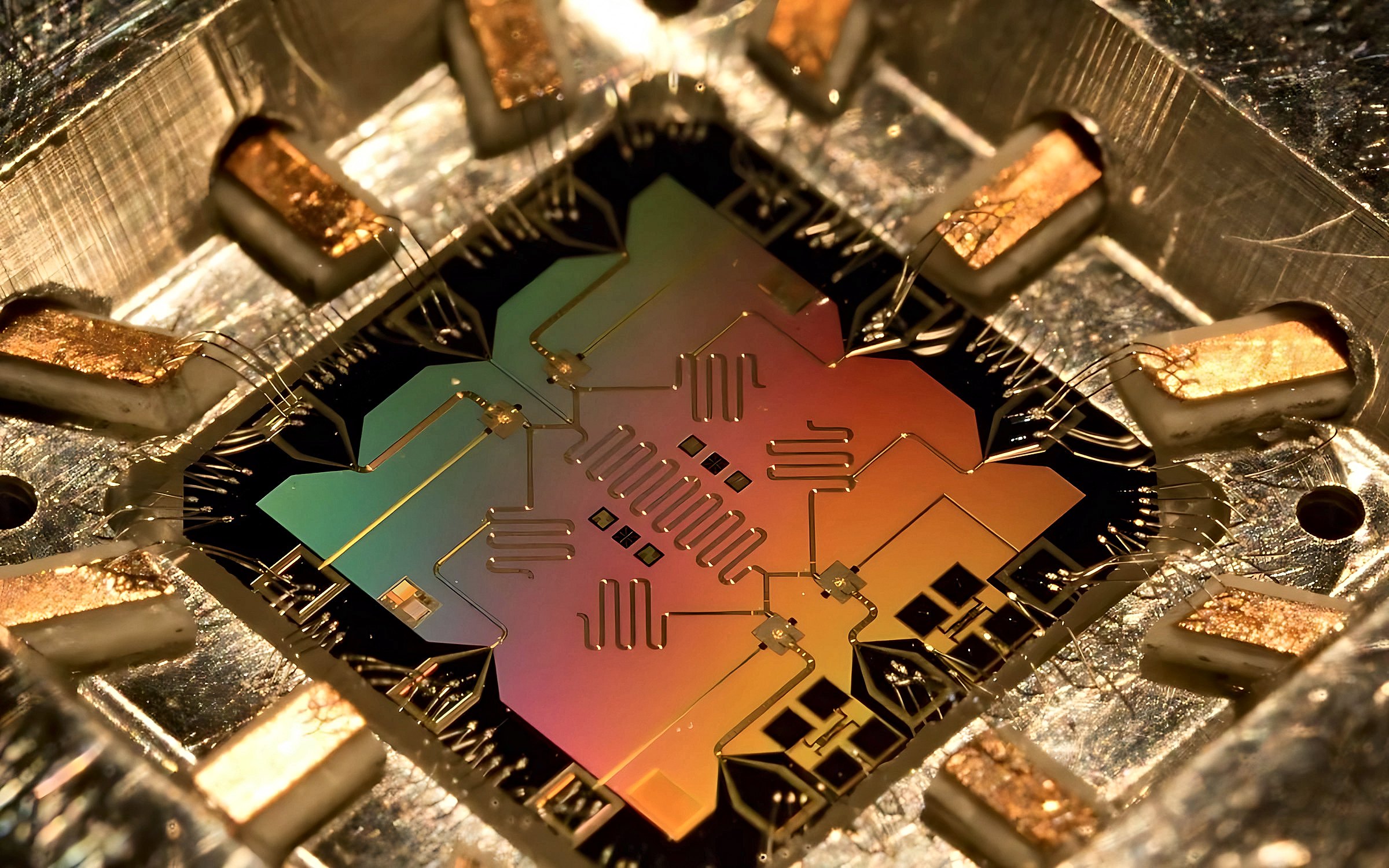
Solar powered compute resources. Air Intelligence is the network of compute nodes inside every Air: graphics processors on their own solar, backed by mains power and cooled by the building's water loop. Linked together, they form one data centre spread across buildings that already exist, and compute customers rent its capacity from Terraform.
For Owners
- Buy Air upfront or through a government programme.
- Terraform owns and runs the compute node, and the compute customers who rent it pay for its power.
- Terraform pays for your heating, cooling and hot water energy, so they cost you nothing to run.
- You keep all of the heat for your rooms, your water and any extras.
Price and Specification
A$11,999 before A$4,300 of rebates assigned to us. Air replaces A$6,373 of heating, cooling and hot water equipment you would buy anyway, so your premium is just A$1,326.
Put the Extra Heat to Work
Prices installed. Payback is on the premium Air costs above the conventional heating, cooling and hot water gear it replaces. On a gross basis it is 4.3 years.
Specification
| Jobs | Heating, cooling, hot water, refrigeration |
| Working fluid | Tap water |
| Loop temperature | 50 °C |
| Hot water delivered | 60 °C |
| Energy store | 400 litres of water, 16.3 kilowatt hours |
| Installation | A plumber, on your tap water supply |
| Certification | WaterMark, AS/NZS 3500.4 |
| Patent | WO 2023/115131 A1 |
| Service life | 15 years |
| Compute node | 3 professional graphics cards, 288 gigabytes, 1.8 kilowatts, locked water-jacketed steel enclosure, owned by Terraform |
| Solar | 3.5 kilowatts, direct current, fitted and owned by Terraform |